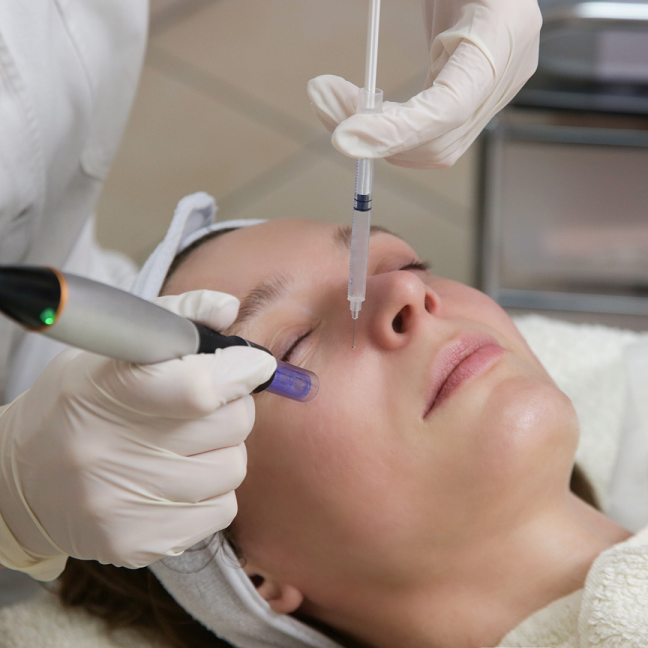
Microneedling has moved from specialist clinics into mainstream skincare, and many people now have questions about anti-ageing results and radiofrequency (RF) add-ons. This guide explains how the treatment works, the different types, realistic outcomes and the risks, so you can decide with accurate information. Beauty BI is one of the providers you may come across when comparing clinics in Kent.
What Is Microneedling?
Microneedling, also called collagen induction therapy, uses a device fitted with fine, sterile needles. The needles create thousands of tiny punctures in the outer layers of skin. Each channel is very small and closes within hours to days.
The aim is to trigger the skin’s natural wound-healing response without removing any skin. That response is what produces the visible changes.
How Microneedling Works Inside the Skin
Skin repair happens in overlapping stages:
- Inflammation (first days): the tiny injuries release signals that bring repair cells to the area. This is when you see redness.
- Proliferation (days to weeks): cells called fibroblasts produce new collagen and elastin, along with new blood vessels.
- Remodelling (weeks to months): the new collagen matures and reorganises, which is why results appear gradually.
Because remodelling is slow, most people don’t see the full effect straight away. Changes in texture and firmness often become more noticeable over the weeks following a treatment course.
What Microneedling May Help With
Microneedling is commonly used for:
- Fine lines and early signs of photoageing (sun-related ageing)
- Acne scarring, particularly rolling and boxcar types
- Uneven texture and enlarged-looking pores
- Mild stretch marks
- A dull or uneven complexion
Some research suggests it may help with acne scars and photoageing (see this systematic review of microneedling on PubMed, which also notes that further research is needed), but study quality and sample sizes vary, and results differ from person to person. It isn’t a substitute for sun protection, and it can’t remove deep wrinkles or replace surgical procedures.
Why Needle Depth Matters
Needle length is adjusted for the area being treated. Thin skin, such as around the eyes, needs very short needles, while thicker skin or deeper scarring may call for longer ones. Practitioners set depth based on skin thickness, the concern being treated and your tolerance.
This is why professional treatment differs from at-home rollers. Short-needle home devices (often around 0.25 mm) mainly help products absorb, while clinical devices can reach the layers where collagen is made. Deeper treatment carries more risk and should only be carried out by a trained practitioner.
What Is Microneedling With RF?
Radiofrequency microneedling combines needling with RF energy delivered through or alongside the needles. The energy heats deeper tissue in a controlled way, while the surface is partly protected.
The thinking is that heat adds a second stimulus for collagen remodelling. Clinics may suggest it for:
- Looser skin around the jawline, neck and cheeks
- Deeper lines and firmness concerns
- Scarring that hasn’t responded to standard treatment
Compared with standard microneedling, RF treatments generally cost more and can involve longer redness or swelling. RF treatment can also cause burns and other serious complications (see the FDA safety communication on RF microneedling, October 2025). Device types differ, including how deep the energy is delivered, so it’s reasonable to ask which system a clinic uses and how the practitioner was trained on it.
Standard vs RF Microneedling
Standard microneedling uses needles without RF heat. It may be suitable for some texture concerns, fine lines and mild scarring.
Microneedling with RF also uses heat and may be considered for certain scarring or mild skin laxity. Neither option is automatically better, and no single treatment is best for everyone. A consultation should help you understand which, if either, suits your skin, concerns and budget.
What Happens During a Session
A treatment usually starts with a consultation covering your skin history, medications and goals. After cleansing, a topical numbing cream is applied and left to take effect. The device is then moved across the skin in sections, followed by a soothing serum or mask.
Most people describe a scratching, buzzing or warm sensation. Treatment time is often 30 to 60 minutes, plus numbing time.
Recovery Timeline After Treatment
- First 24 to 48 hours: redness, mild swelling and a tight feeling are common.
- Days 2 to 5: dryness or light flaking can appear as skin renews.
- After about a week: most visible effects settle, though RF or deeper treatments can take longer.
After treatment, keep your skincare gentle and follow the instructions given by your practitioner. Protect your skin from the sun and use a broad-spectrum SPF 30 or higher when appropriate. Avoid strong exfoliating products and retinoids until your skin has healed and your practitioner says they are safe to use. Recovery may take longer after deeper or RF treatments.
How Many Sessions You May Need
Courses often involve several sessions spaced a few weeks apart, because skin needs time to heal and rebuild between treatments. The number depends on your concern and how your skin responds. Maintenance sessions are sometimes suggested afterwards.
Risks and Who Should Avoid Treatment
Redness, swelling, dryness and mild discomfort are common after microneedling. Less common problems include infection, cold sore flare-ups, darker or lighter patches of skin and scarring. RF treatment can also cause burns and other serious complications. The risk depends on your skin, the treatment settings and the person carrying out the procedure.
Before treatment, tell your practitioner if you:
- Are pregnant or breastfeeding
- Have an active skin infection or flare-up (such as acne, eczema or rosacea) in the area
- Get cold sores
- Form raised scars (keloid)
- Take blood thinners or acne medication
- Have recent sunburn or a condition that affects healing
These issues do not all mean treatment is impossible, but some may mean it should be delayed or avoided. Seek medical advice where needed, and speak to your GP if you’re unsure.
How to Choose a Clinic in Kent
When choosing a clinic, look for:
- A practitioner with relevant training and experience
- A real consultation before treatment
- Single-use sterile needle cartridges and a clean treatment room
- Valid insurance and local council registration
- Honest talk about results, with no guarantees
- Genuine before-and-after photos
- Transparent pricing for sessions and courses
Why Consider Beauty.BI?
At Beauty.BI, we believe treatment should start with a conversation about your skin and your goals. We can explain the microneedling treatments we offer, what they may help with, how many sessions may be needed and what aftercare involves. Contact Beauty BI to ask about availability and arrange a consultation. We will explain what is suitable for you rather than promise a particular result.
Alongside Kent, we also offer our services in other nearby areas, including:
- East Sussex: Brighton and Hove, Eastbourne and Hastings
- West Sussex: Crawley, Chichester and Worthing
- Essex: Colchester, Southend-on-Sea and Brentwood
- Greater London: Croydon, Harrow, Ealing and Enfield
Final Thoughts
Microneedling may help improve the appearance of fine lines, acne scars and uneven skin texture. RF microneedling is another option for some concerns, but it also has extra risks. Results vary and usually take time. If you are considering treatment in Kent, contact Beauty BI to discuss your skin and find out which services are available.